

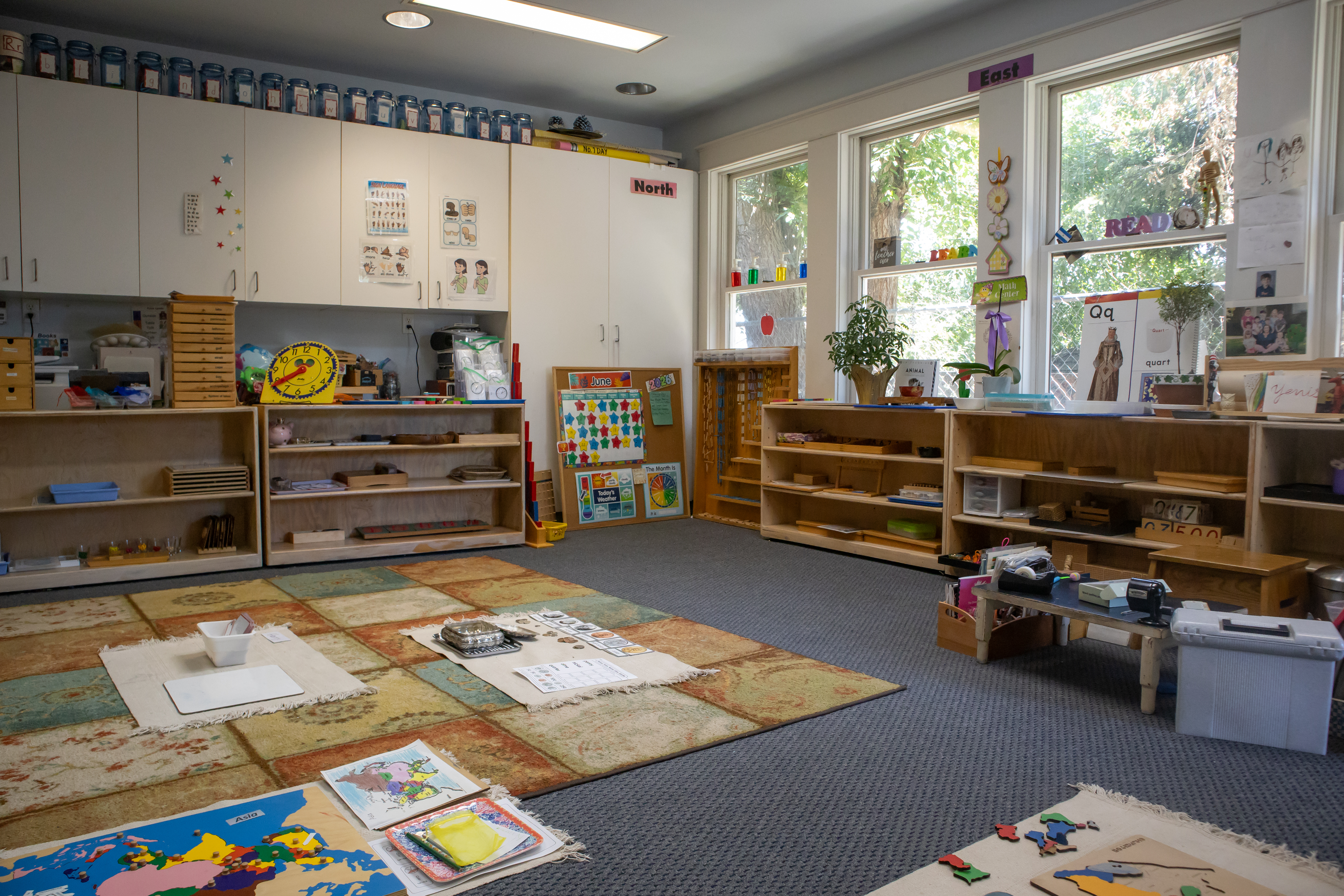
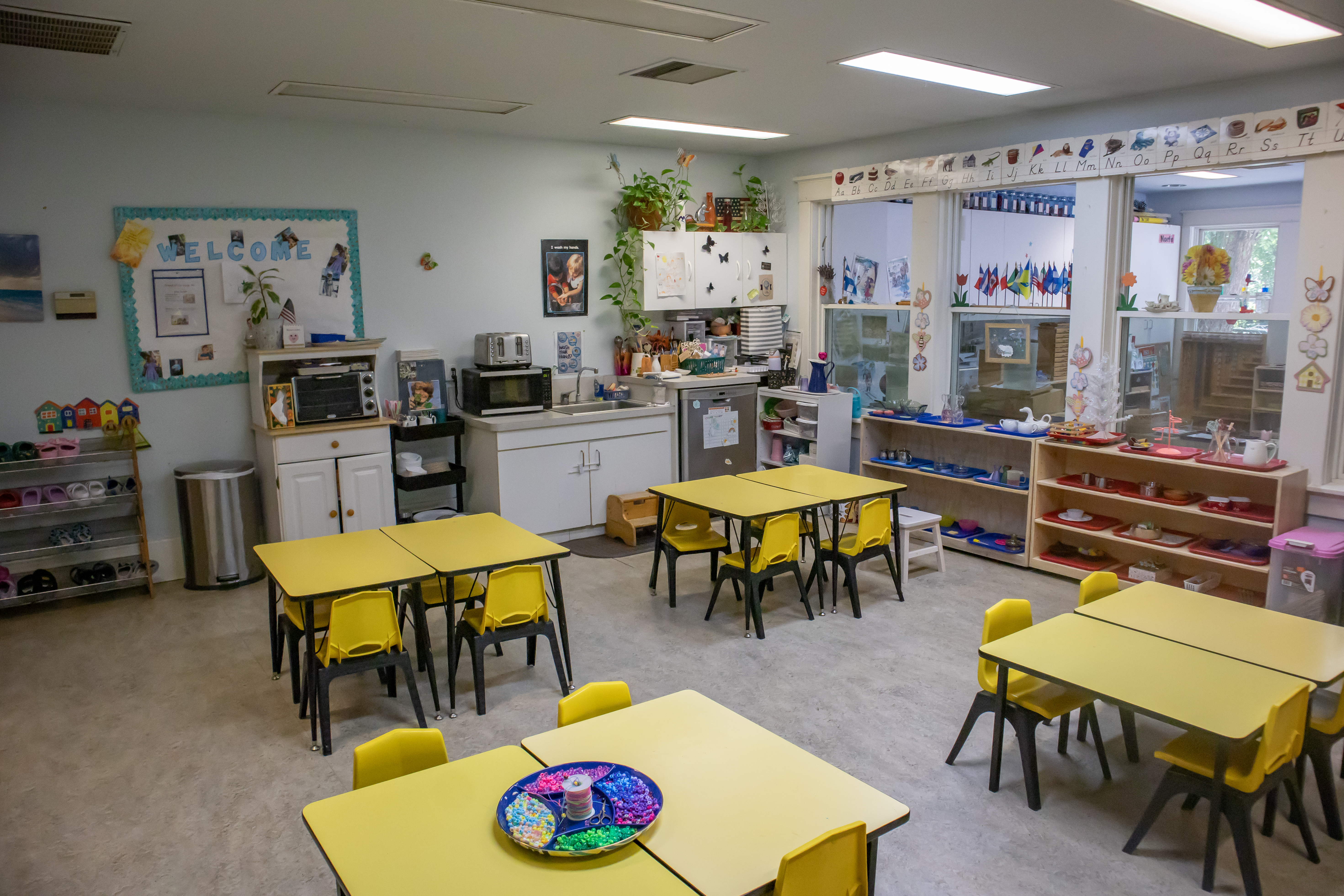
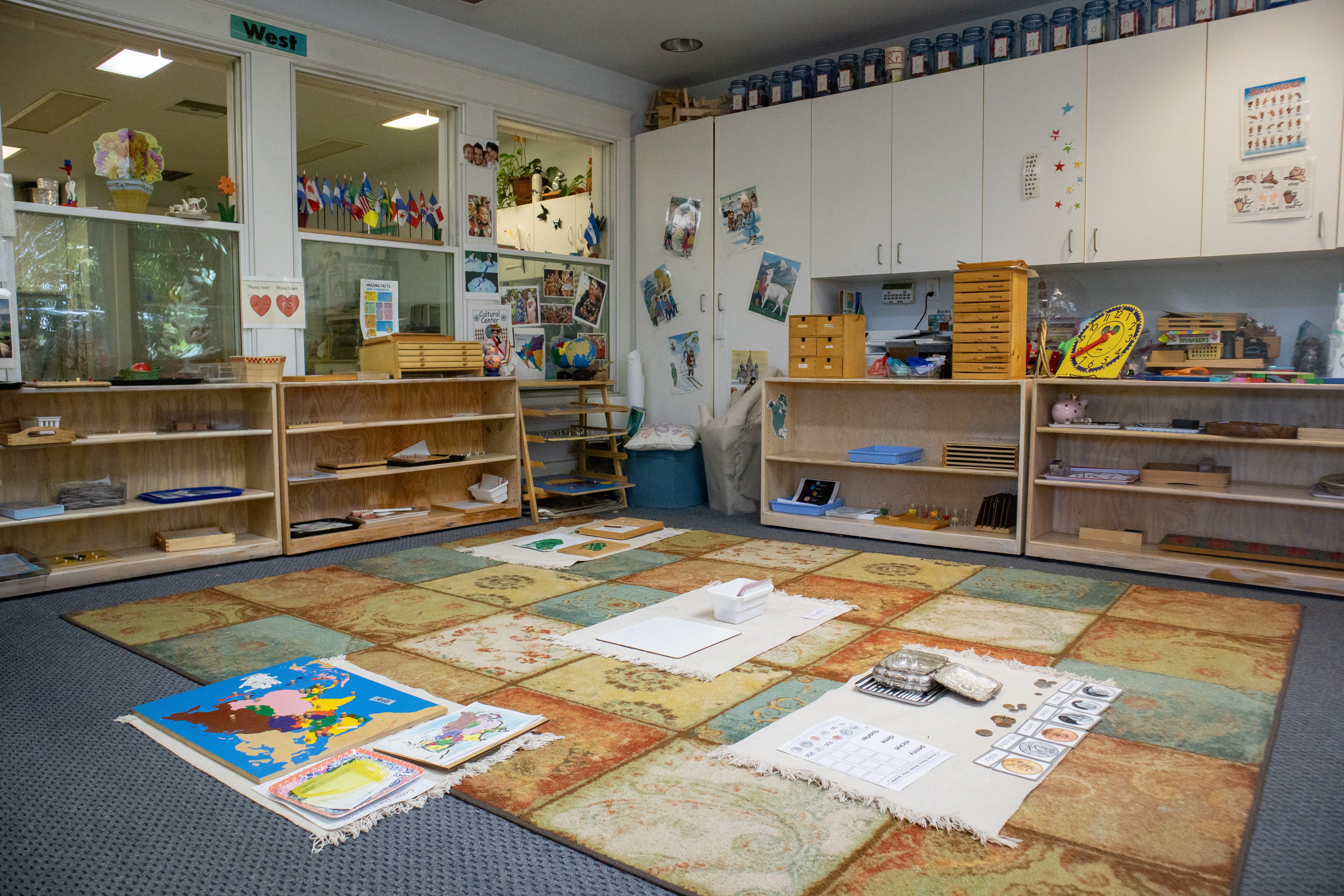
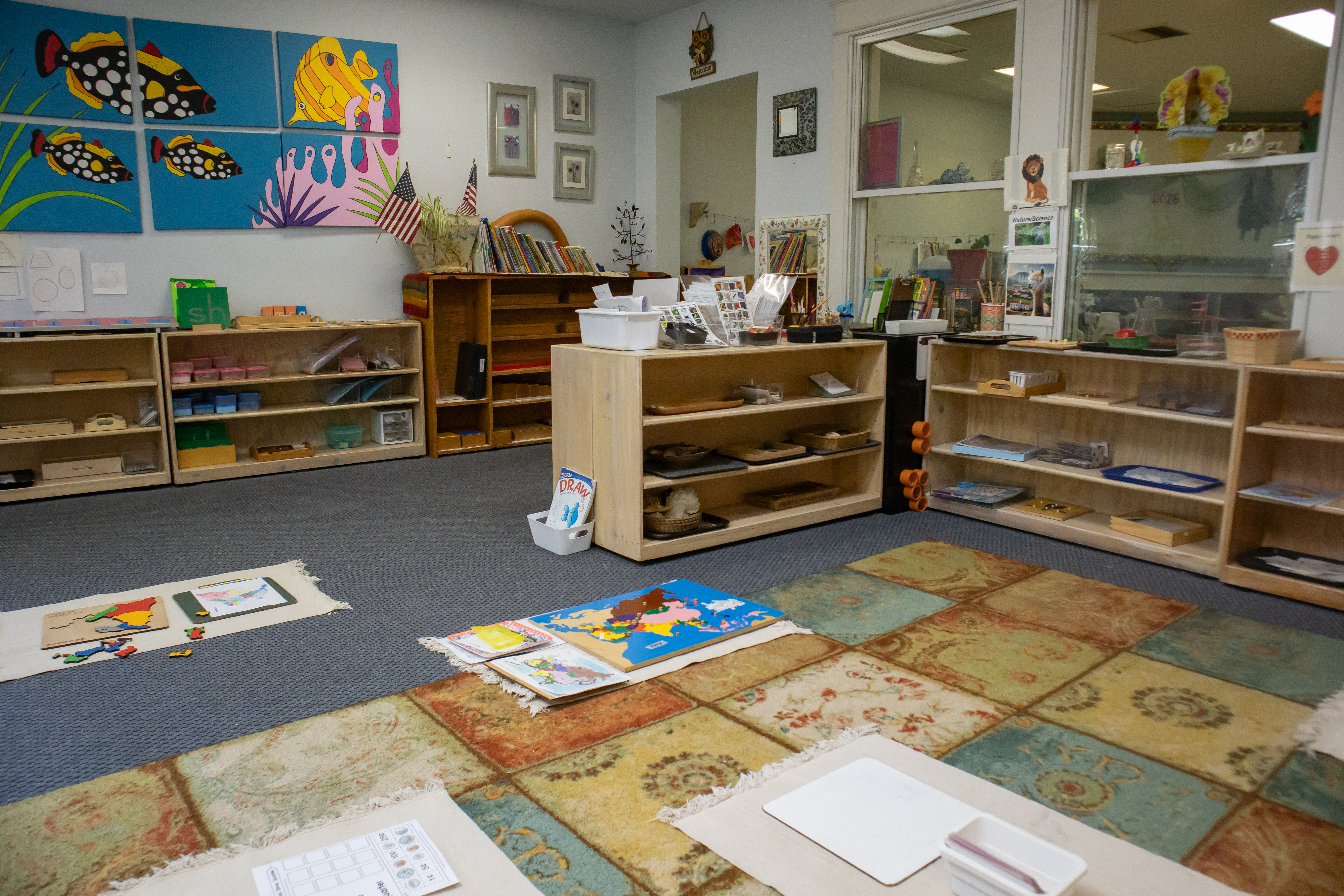
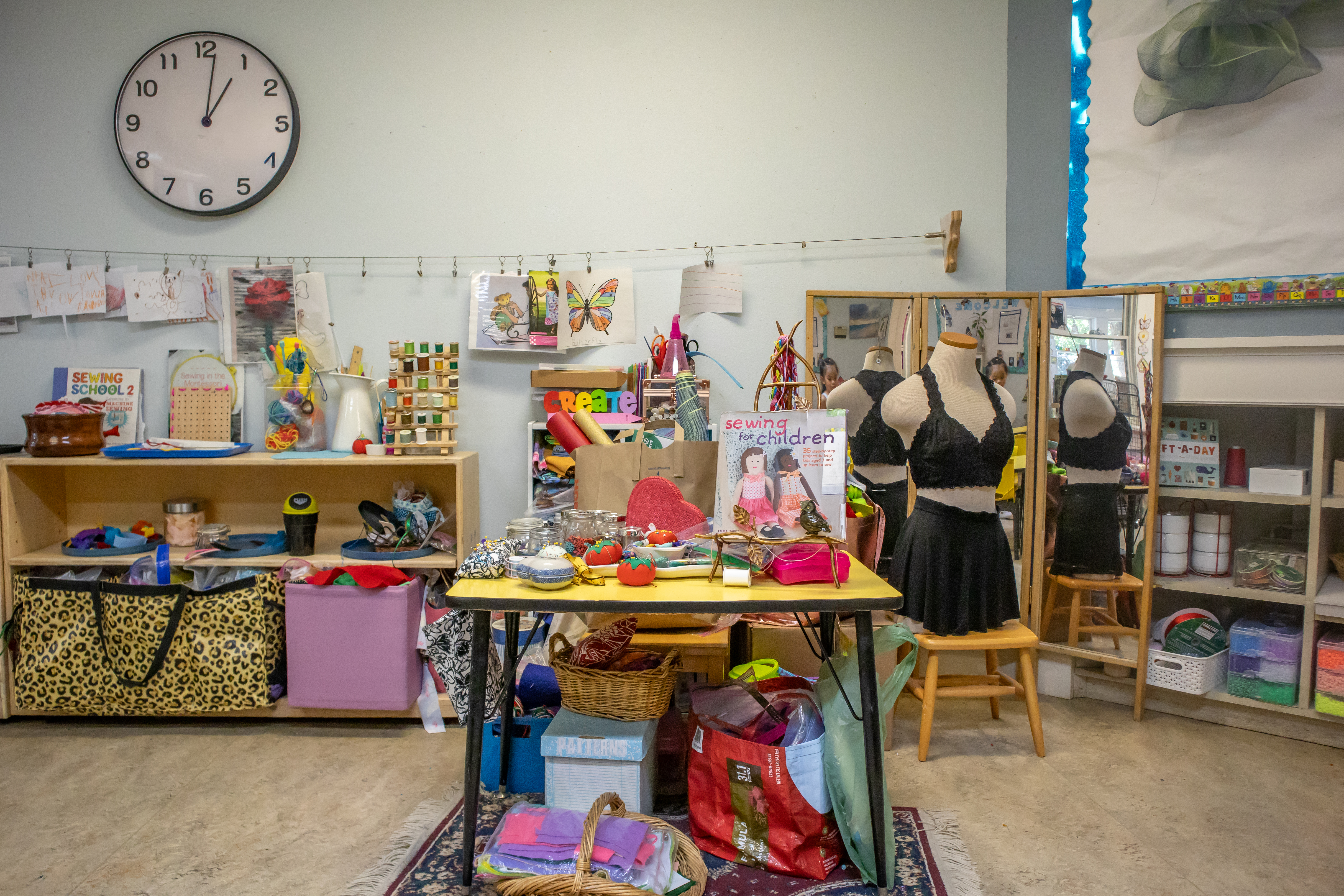


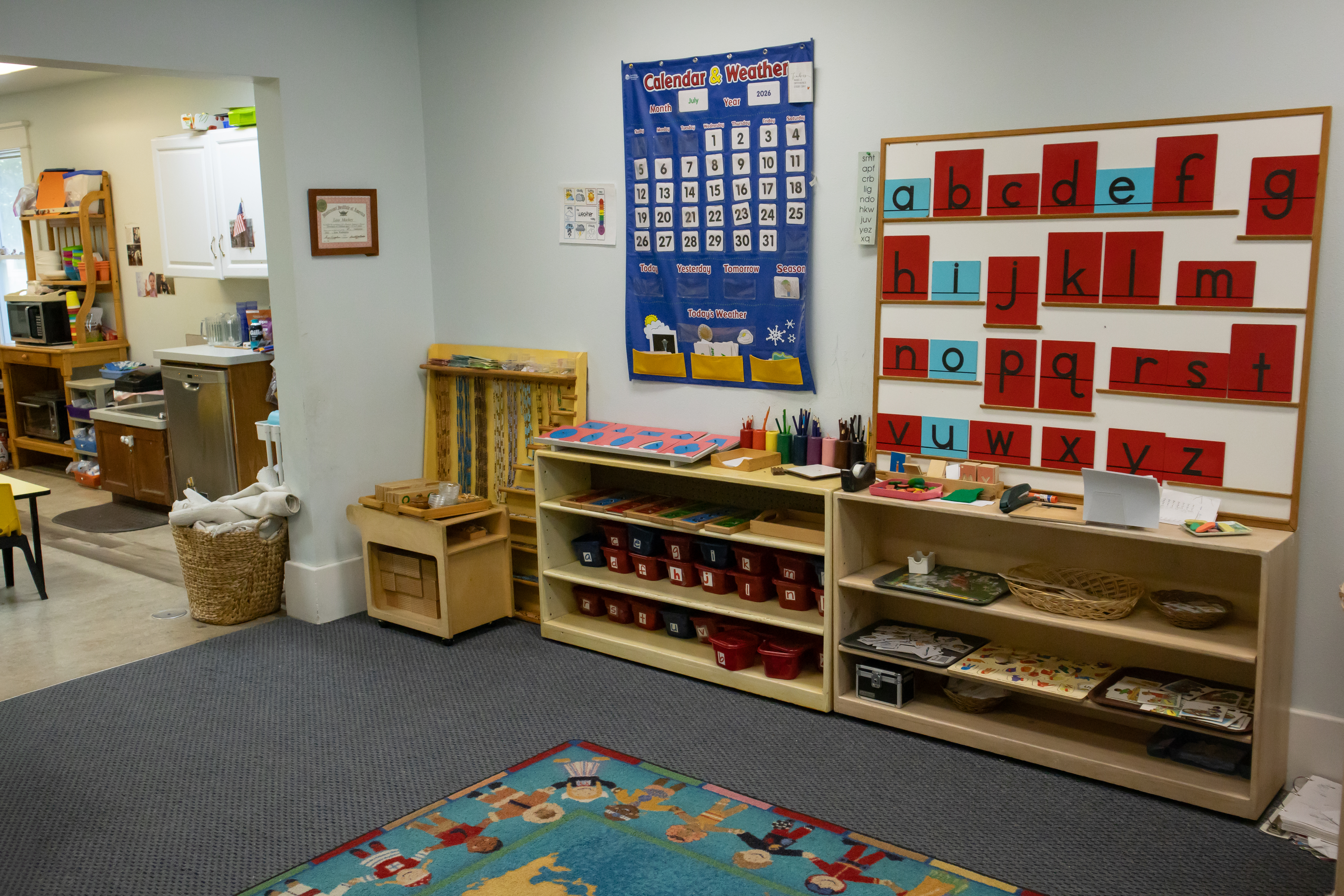
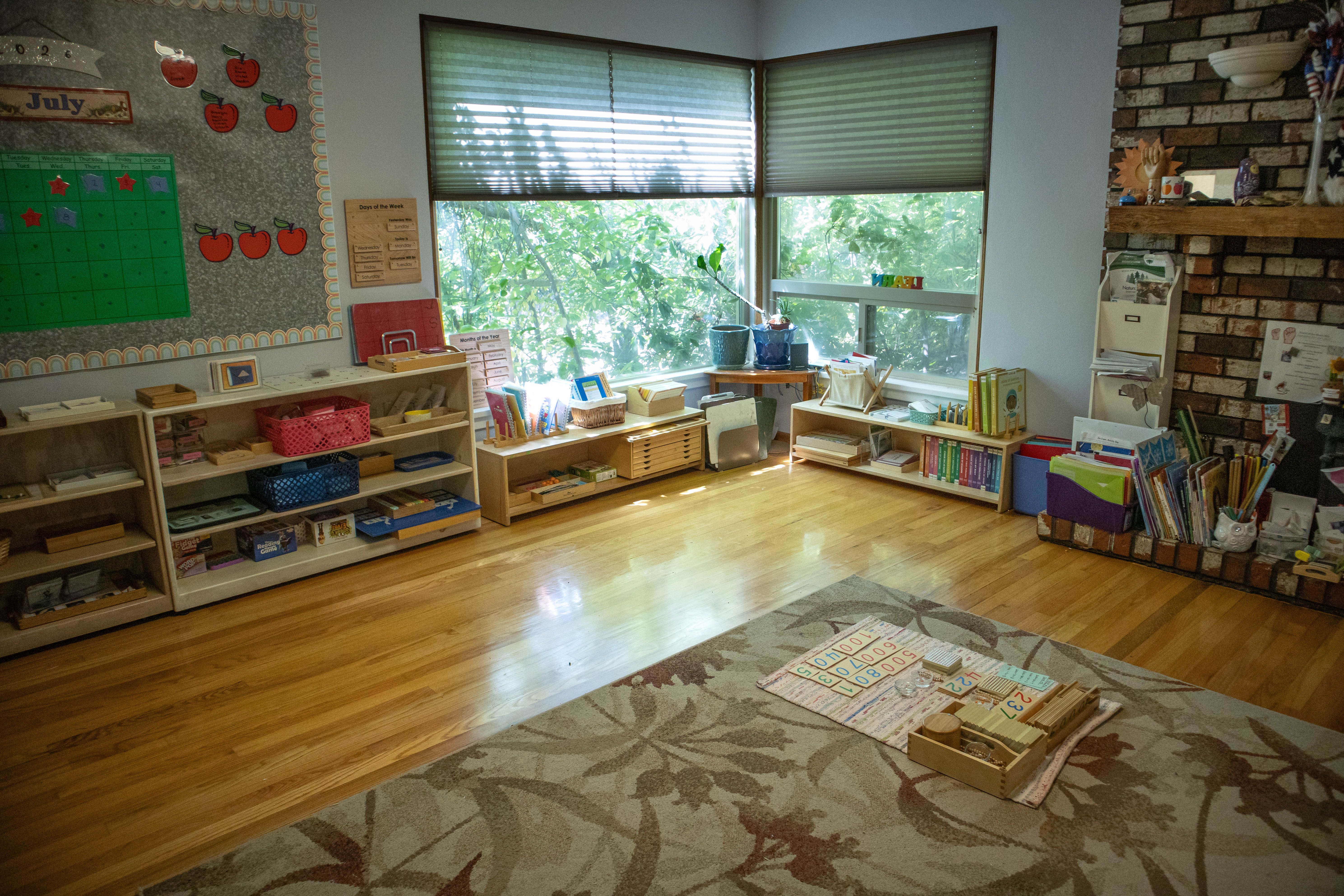
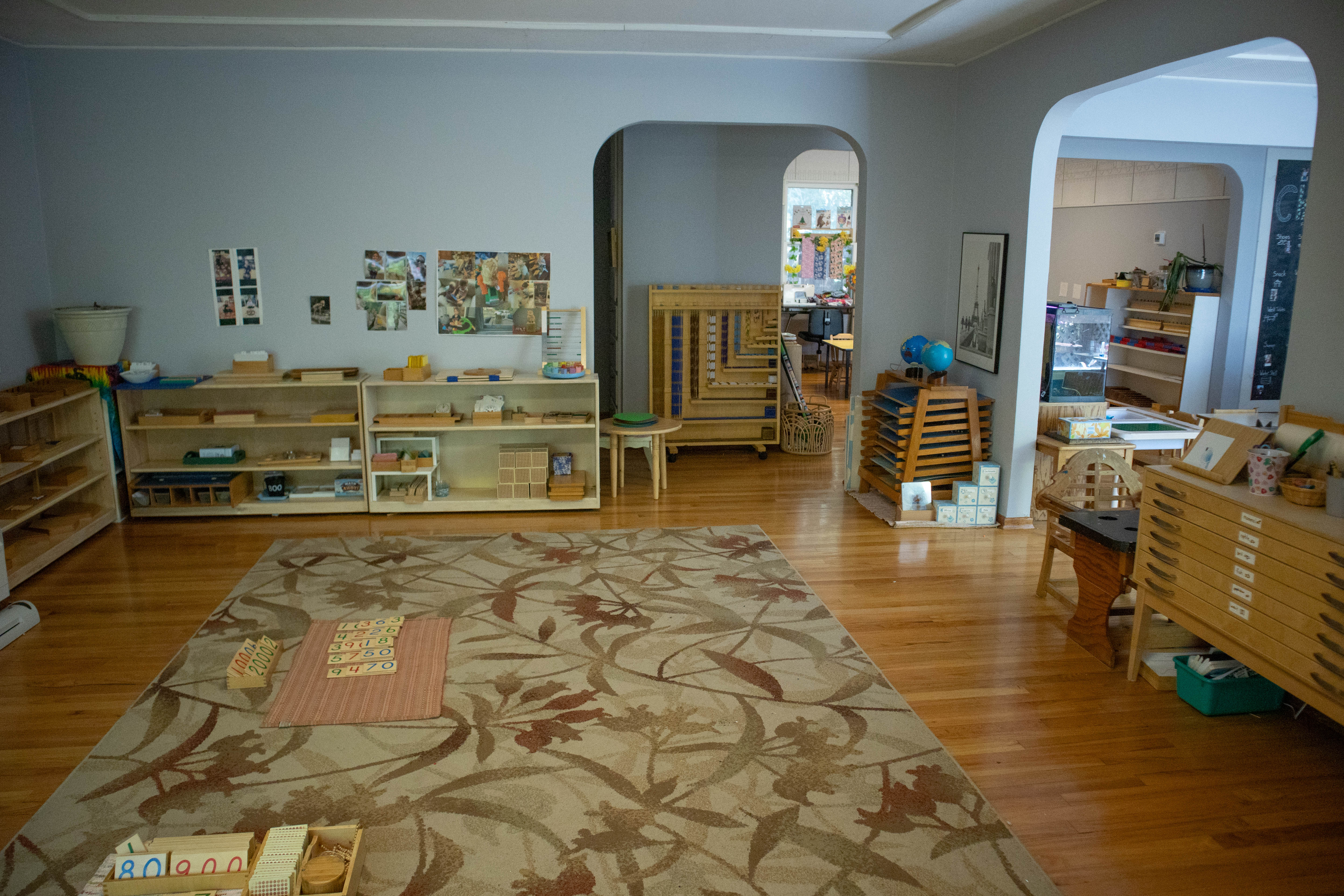
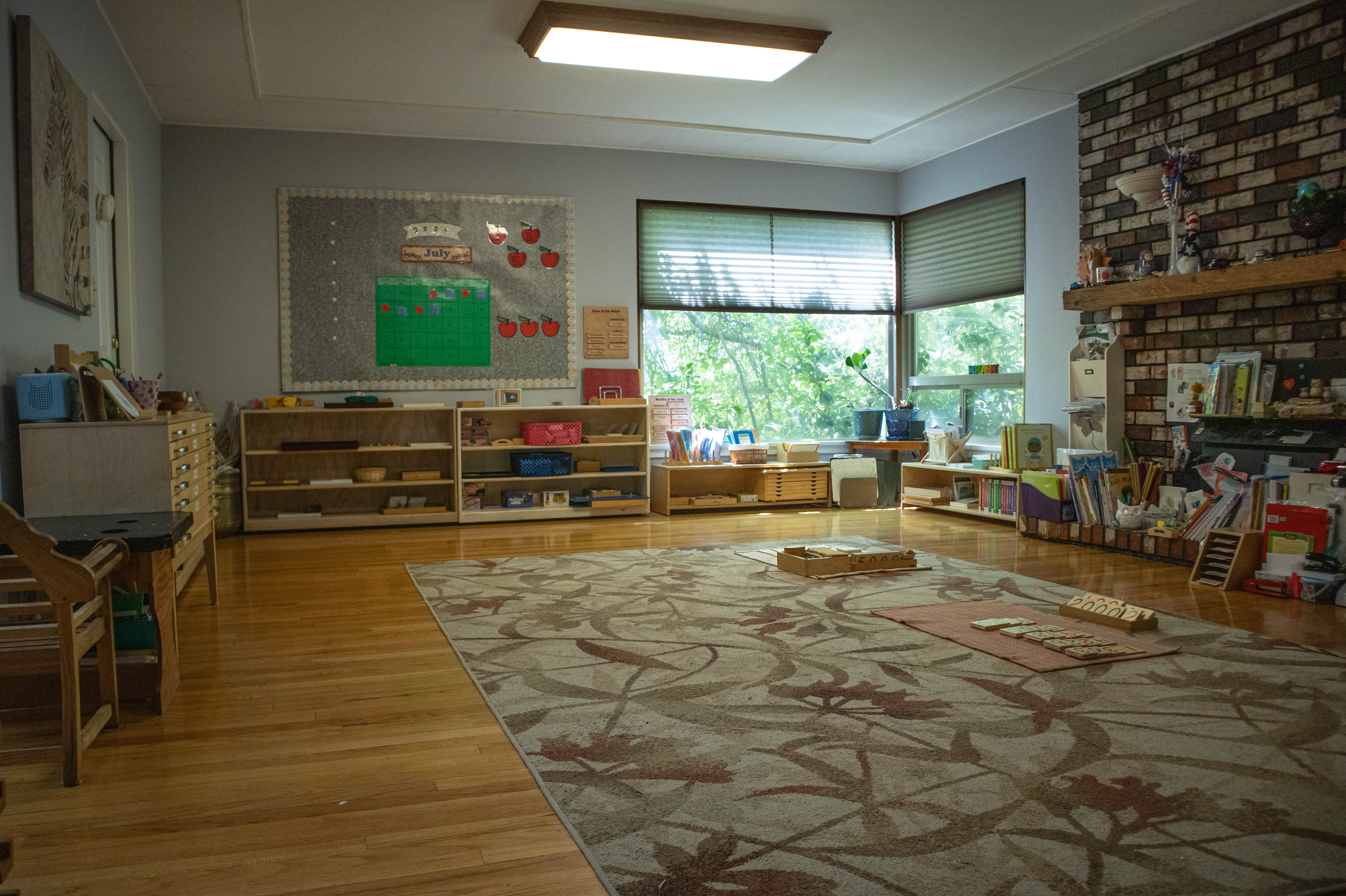
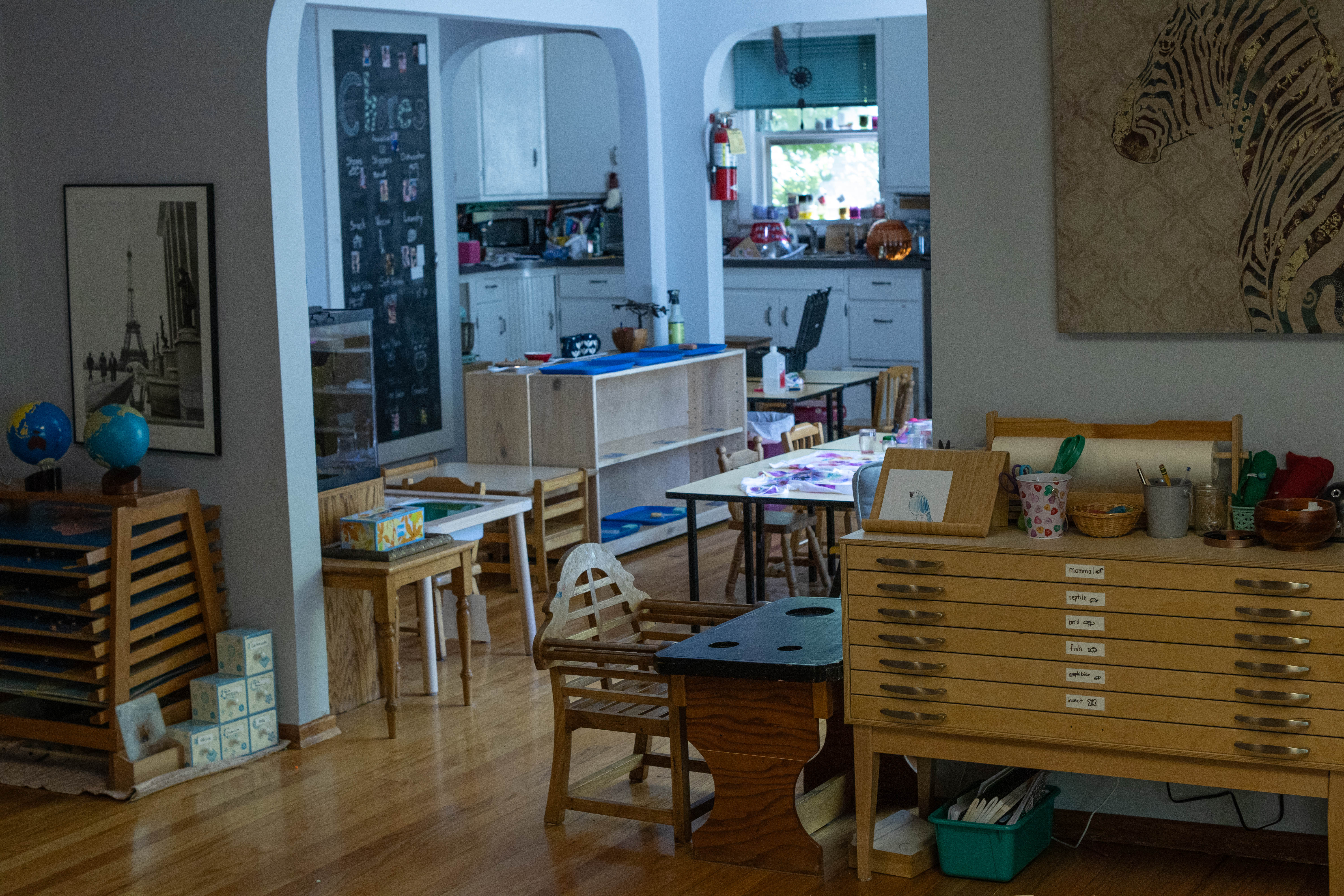
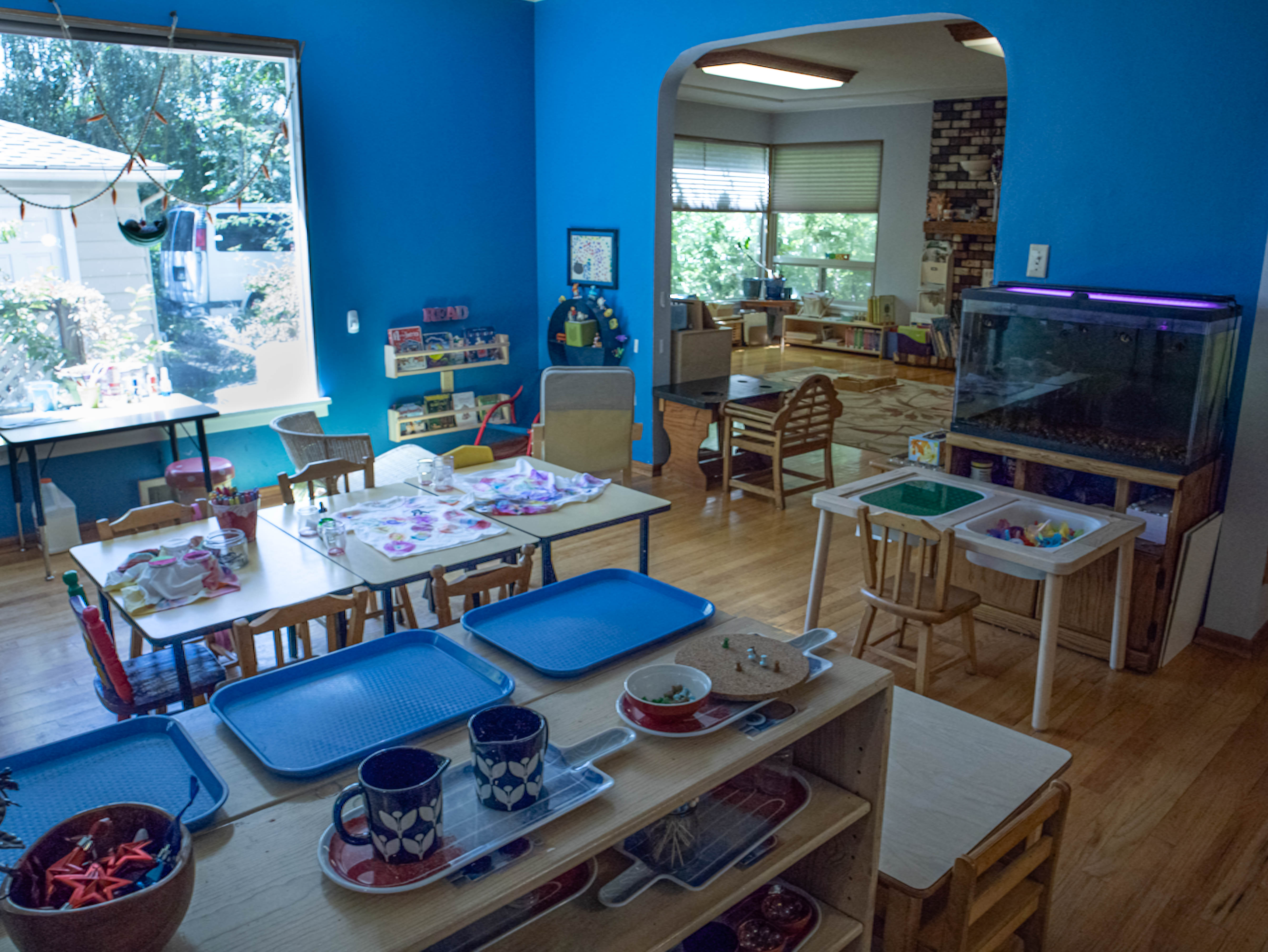
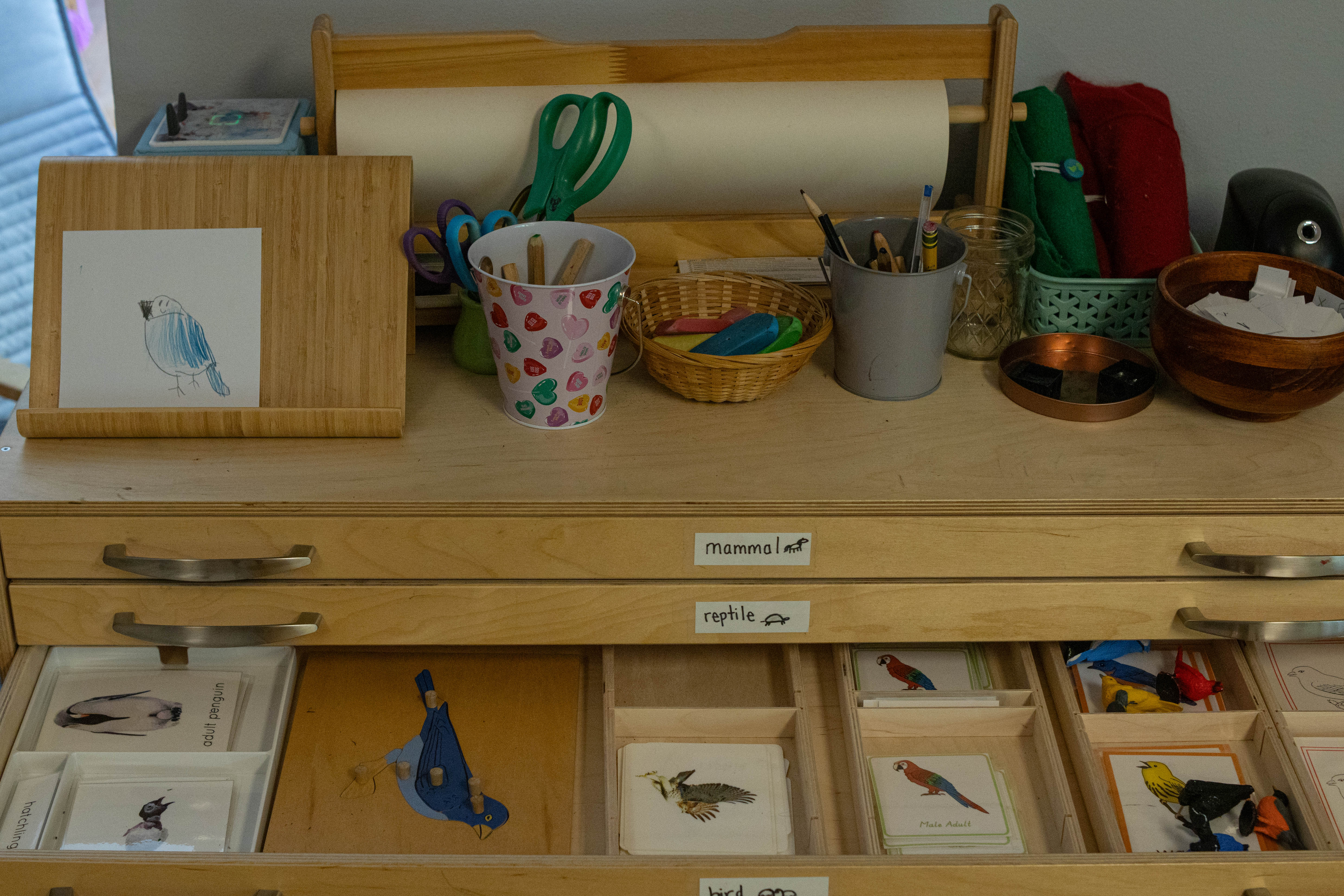
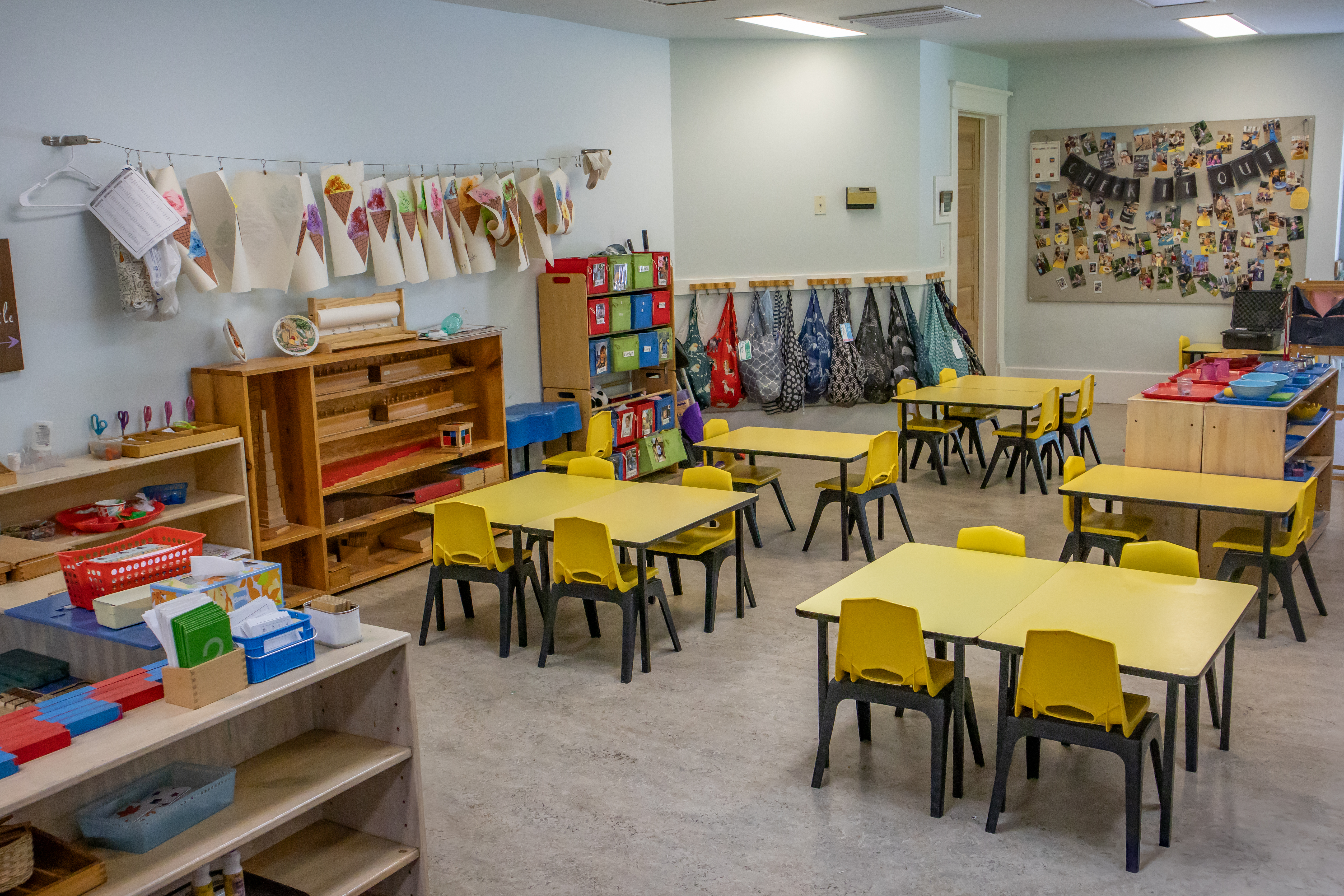
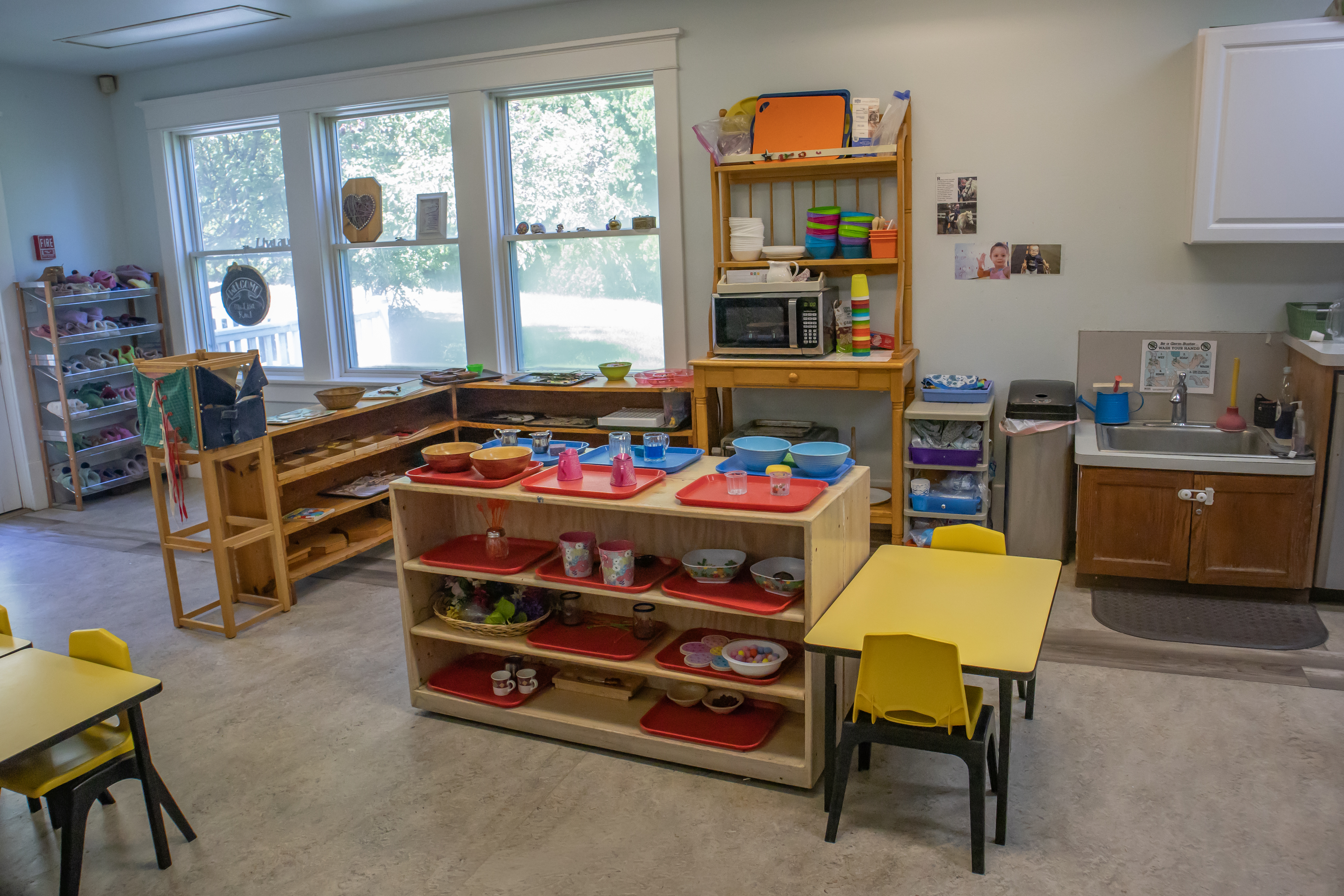
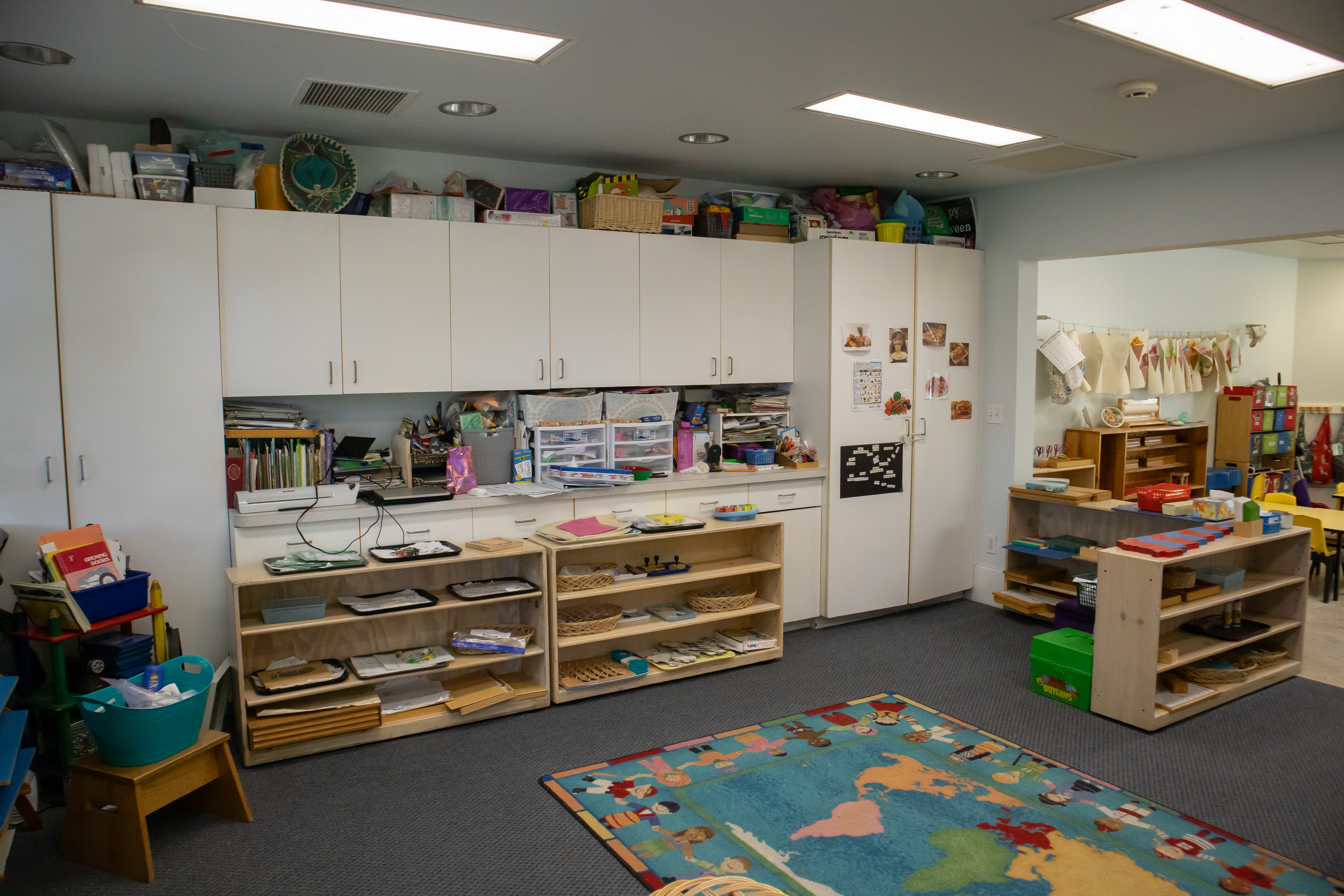
The Preschool and Kindergarten Montessori Program at Oakridge is designed to foster a lifelong love of learning through hands-on exploration, meaningful work, and discovery.

For children ages 3 to 6 years old.
Program options include:

School Year

180 days
September-Mid June

Year Round
240 days
Full Year

Summer
50 days
Mid June-August
Curriculum
Guided by Montessori-trained lead teachers who participate in annual Montessori professional development, our program remains rooted in authentic Montessori philosophy and best practices. We believe in following the child, carefully observing each student's interests, readiness, and developmental needs to provide individualized lessons that inspire curiosity and a joy for learning.
Children are encouraged to embrace challenging work, developing perseverance, confidence, and pride in their accomplishments as they progress through Practical Life, Sensorial, Language, Mathematics, Science, Geography, Cultural Studies, and the Arts. You can explore in more depth the curriculum covered in this program below.
As a mixed-age community, our classroom emphasizes collaboration, kindness, and respect. Older students naturally become leaders and mentors, while younger children learn through observation and shared experiences, creating a strong sense of belonging and community. Through grace and courtesy lessons, cooperative learning, and meaningful classroom responsibilities, children discover the value of working together while also growing in independence.
Our goal is to nurture confident, compassionate, and capable learners who love learning, enjoy meaningful work, and are prepared to make positive contributions to their community both inside and outside the classroom.

Practical Life
Practical Life activities help toddlers develop independence, skills, and confidence in completing every day tasks.
Children may engage in:
Food Preparation
Caring for plants
Feeding classroom animals
Grace and courtesy lessons
Fine motor development
Cleaning and classroom care
Responsibility and self-help skills

Sensorial
Sensorial materials help children refine their senses while developing observation, concentration, classification, and critical thinking skills.
Children explore:
Size and dimension
Color
Sound
Texture
Weight
Shape and form
Visual discrimination

Language
Children build strong foundations for reading, writing, communication, and literacy through a sequential Montessori language curriculum.
Areas of exploration include:
Phonemic awareness
Letter sounds
Vocabulary development
Reading and comprehension
Creative expression
Handwriting and written language

Mathematics
Through concrete Montessori materials, children develop a deep understanding of mathematical concepts before moving toward abstraction.
Areas of exploration include:
Number sense
Counting and quantity
Place value
Addition and subtraction
Skip counting
Geometry foundations
Problem solving
Simple Multiplication

Science
Through carefully selected Montessori materials and guided outside exploration, children develop the ability to recognize, categorize, and communicate about different parts of the natural world.
Areas of exploration include:
Specific scientific vocabulary
Concepts of mammals
Classification of different types of animals (vertebrates, invertebrates, reptiles, fish, amphibians, birds, mammals)
Parts of the animals
Parts of the Plants
Living versus not living
What organisms live where (land, water, air)

Geography
Through access to hands-on maps, globes, and Montessori materials children gain a solid foundational knowledge of geographical placement.
Areas of exploration include:
Identification of land versus water
Continents and their names
Ocean names and identification
The countries of each continent
Political Geography: People that live in different places
Where different plants and animals that are found

Cultural Studies
Children begin exploring the world around them through hands-on experiences that inspire wonder and curiosity.
Areas of study include:
Famous landmarks
Zoology in different areas
Botany in different areas
Cultural celebrations
Children explore carefully curated culture kits featuring: music, objects, one children's toy, a book in the language, and spices from different areas around the globe
Are and music from different cultures

Arts
Art materials are available for the children throughout the day, allowing them to develop techinical skills as well as to freely explore their own unique creative expression.
Areas of exploration include:
Art History: Famous artists and their works are introduced
Open invitation to create art
Access to paper, crayons, paint, scissors, glue, beads, etc.
Learning technical skills: proper hand placement for holding pens/brushes/scissors/etc., practice coloring inside of lines, and introduction to color theory
Guided art projects

Music
Through Montessori music materials and instruction from guides, children are introduced to foundational and core music concepts from which they can later learn how to read music and play instruments.
Areas of exploration include:
Guided rhythm studies
Introduction to matching pitch
Introduction to what is music how we can create music
Using Montessori bells to learn matching tone and pitch

Enrichment & Outdoor Learning
Learning extends beyond the classroom through experiences that encourage movement, creativity, exploration, and connection to nature.
Children participate in:
Gardening
Outdoor exploration
Gross motor skill development
Art experiences
Music and movement
Seasonal swimming
Nature studies
Animals observations

Excellence
Curious, Confident Children

Community
It Takes a Village

Whole Child
Mind, Heart, & Character

FOLLOW US


THE SCHOOL
CONNECTION
LEGAL
Copyright 2026. Oakridge Montessori School. All Rights Reserved.